
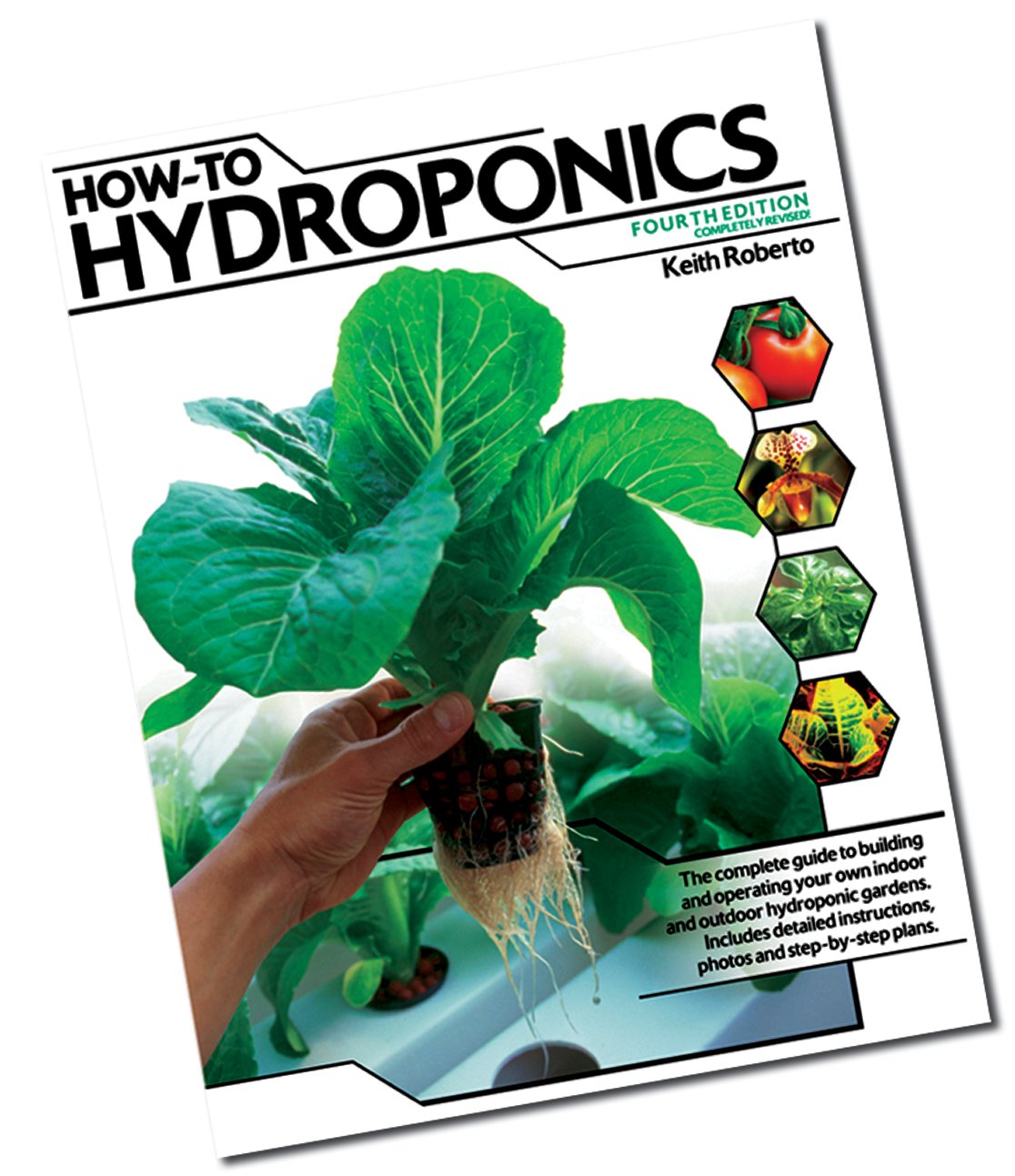
Have you ever considered growing your plants without soil? With “How to Hydroponics Paperback – August 1, 2003,” you’ll uncover the secrets of hydroponic gardening, allowing you to grow your food and plants efficiently and sustainably.

Overview of “How to Hydroponics Paperback”
This comprehensive paperback is authored with insights and step-by-step instructions that cater to both beginners and seasoned gardeners. The book provides a thorough understanding of hydroponics, emphasizing the potential benefits, fundamentals, and practical applications of this innovative gardening technique.
What Is Hydroponics?
Hydroponics refers to the method of growing plants without the traditional medium of soil. Instead, nutrient-rich water solutions are used to cater to the plants’ needs. This method can significantly enhance plant growth, yield, and overall health.
The book delves into various hydroponic systems, explaining their advantages and drawbacks in simple terms. You’ll gain clarity on why hydroponics is gaining popularity, particularly in urban gardening and commercial farming.
Key Features of the Paperback
Easy-to-Follow Instructions
You don’t need an advanced degree in botany or agriculture to understand the contents of this book. The author simplifies complex concepts, making them accessible to everyone. Instructions are broken down into manageable steps, ensuring that you can follow along without getting overwhelmed.
Detailed Illustrations
Sometimes, visual aid goes a long way in understanding a concept. The paperback includes detailed illustrations to guide you through the setup and maintenance of various hydroponic systems. These visuals are particularly useful for visual learners.
Cost-Effective Solutions
The book provides cost-effective solutions for setting up your hydroponic garden. Whether you’re looking to start small with a low-budget system or invest in a more intricate setup, you’ll find valuable tips on minimizing costs without compromising effectiveness.

Breakdown of Hydroponic Systems
Here’s a table summarizing the main types of hydroponic systems covered in the book, along with their basic features:
| Hydroponic System | Description | Pros | Cons |
|---|---|---|---|
| Deep Water Culture | Plants are suspended in nutrient-rich water. | Simplicity, low maintenance | Limited oxygen, risk of root rot |
| Ebb and Flow | Flood and drain method to nourish plants. | Flexibility, suitable for a wide range of plants | Potential pump failure issues |
| Nutrient Film Technique | Thin nutrient film flows over plant roots. | Efficient nutrient delivery, oxygenated roots | Requires constant monitoring |
| Drip System | Nutrient solution is dripped onto plant roots. | Versatility, easy to automate | Potential for clogging |
| Aeroponics | Mist of nutrients sprayed onto the roots. | Superior oxygenation and growth | Higher initial setup cost |
Deep Water Culture (DWC)
In the Deep Water Culture system, the plants are suspended with their roots submerged in a nutrient-rich solution. This system is ideal for beginners due to its simplicity and low maintenance requirements.
Ebb and Flow
Also known as the flood and drain system, Ebb and Flow periodically floods the plant roots with nutrient solution and then drains it away. This system is versatile and can cater to various types of plants, making it a popular choice.
Nutrient Film Technique (NFT)
The Nutrient Film Technique involves a thin film of nutrient solution flowing over the roots of the plants. This system provides excellent oxygenation and is efficient in nutrient delivery, although it requires meticulous monitoring.
Drip System
In a Drip System, the nutrient solution is dripped directly onto the roots. This system is highly versatile and easy to automate, though it may suffer from clogging issues that need to be addressed.
Aeroponics
Aeroponics is a high-tech system where a mist of nutrients is sprayed onto the roots. This method offers superior oxygenation and can result in faster, healthier plant growth. However, it comes with a higher initial setup cost.
Benefits of Hydroponics
Higher Yields
Hydroponic systems generally produce higher yields compared to traditional soil gardening. The controlled environment allows for optimal growth conditions, significantly boosting productivity.
Space Efficiency
If space is a concern, hydroponics offers a solution. These systems can be set up in compact spaces, making them perfect for urban settings or small-scale gardens.
Water Conservation
Hydroponics uses up to 90% less water than conventional soil gardening. The nutrient solution is recirculated, reducing waste and conserving valuable water resources.
Fewer Pests and Diseases
Without soil, many common pests and diseases are eliminated. This results in healthier plants and reduces the need for harmful pesticides and chemicals.
Practical Applications
Home Gardening
For home gardeners, hydroponics can transform your indoor or outdoor space into a thriving oasis. The book provides tips on setting up small-scale systems that suit your home environment.
Commercial Farming
For commercial growers, understanding hydroponics can lead to substantial economic and environmental benefits. You’ll find insights into how hydroponics can be scaled up to meet commercial demands.
Research and Development
Hydroponics is also gaining traction in research and development. The controlled environment is perfect for studying plant growth and developing new agricultural techniques.
Common Challenges and Solutions
Initial Setup
One of the common challenges is the initial setup of the hydroponic system. The book provides practical solutions and advice on how to overcome these hurdles, ensuring that you don’t get discouraged early on.
Maintenance
Maintaining a hydroponic system can be daunting for beginners. The author offers tips and tricks to simplify maintenance routines, making it easier to manage your garden.
Monitoring and Adjustments
Constant monitoring is crucial for the success of a hydroponic garden. The book outlines how to monitor nutrient levels, pH, and other essential factors, helping you make the necessary adjustments for optimal growth.
Expert Tips and Tricks
Choosing the Right Plants
Not all plants are suited for hydroponic systems. The book provides a list of recommended plants that thrive in hydroponic environments, along with their specific needs.
Nutrient Management
Managing nutrients is key to a successful hydroponic garden. You’ll find detailed information on preparing and maintaining nutrient solutions to ensure your plants receive the right balance.
Lighting
Proper lighting is vital for indoor hydroponic gardens. The book covers various lighting options and their respective benefits, helping you choose the best lighting setup for your needs.
Sustainability and Environmental Impact
Reduced Water Usage
Hydroponics is a more sustainable option compared to traditional soil gardening due to its reduced water usage. This makes it an excellent choice for regions facing water scarcity.
Efficient Land Use
By maximizing space efficiency, hydroponics can help in land conservation. This is particularly beneficial in urban areas where space is limited.
Healthier Plants
Without the need for pesticides and chemicals, hydroponically grown plants are generally healthier. This ensures that the produce you consume is free from harmful substances.
Final Thoughts
“How to Hydroponics Paperback – August 1, 2003” is a must-have for anyone interested in hydroponic gardening. Whether you’re a novice or an experienced gardener, this book provides valuable insights and practical advice that can help you succeed in your hydroponic endeavors. The step-by-step instructions, detailed illustrations, and expert tips make it an invaluable resource that you’ll refer to time and again.
Ready to transform your gardening experience and embrace the future of sustainable planting? This book is the perfect guide to help you get started and thrive in the world of hydroponics. Happy gardening!

Disclosure: As an Amazon Associate, I earn from qualifying purchases.